Since 2021, Kif offers a streamlined platform to get a medical marijuana card online. We have served more than 45K patients across the United States. Sign Up Now to get the right to use medical cannabis for your health condition without any delay.








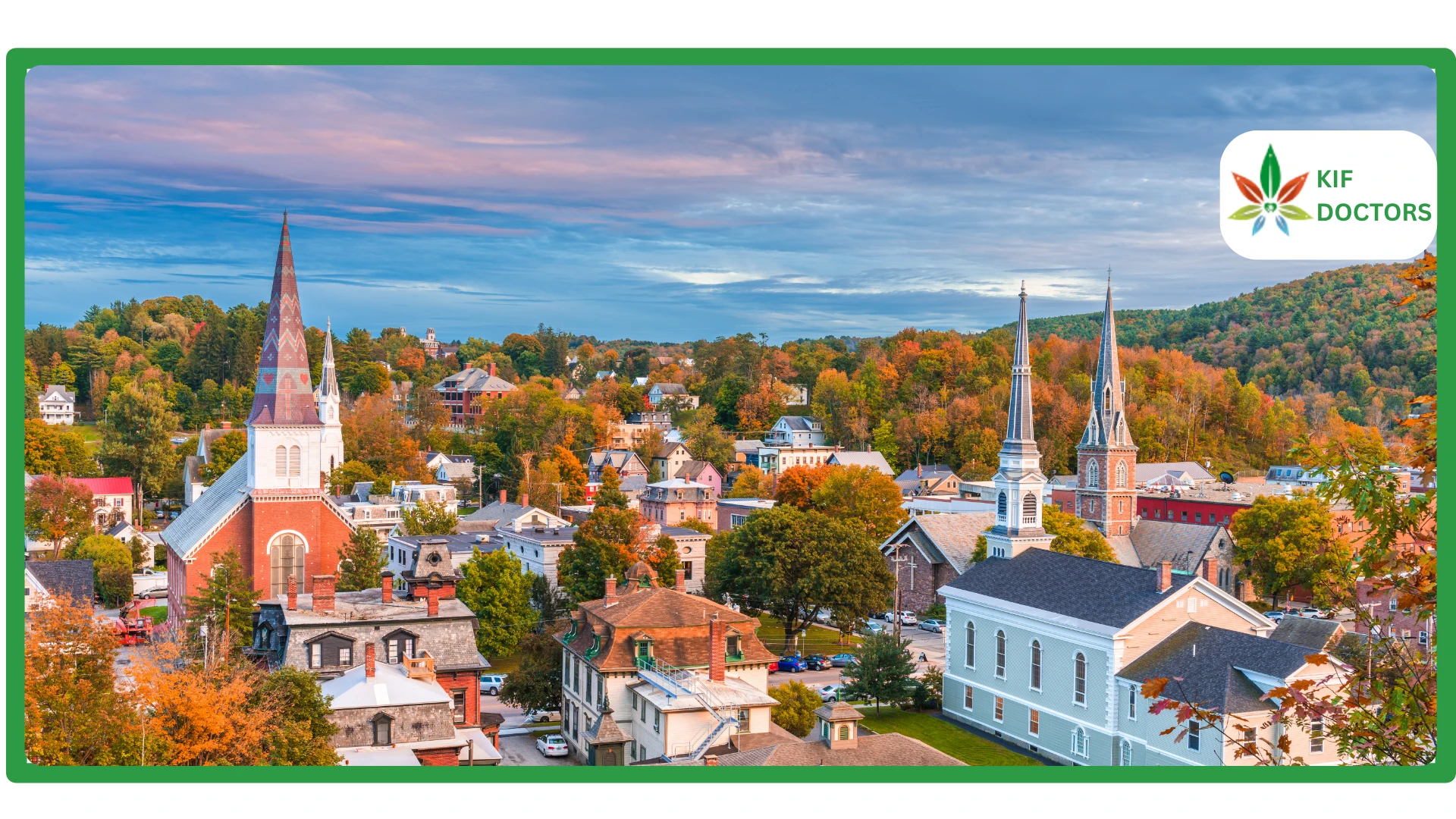

The year 2026 has brought many changes to the Green Mountain State. Even though cannabis is sold in stores everywhere, the medical registry is more important than ever. Data shows that over 5,000 Vermont residents still choose to keep their medical status for better health results. There are many special benefits of Vermont's medical cannabis program that casual shoppers do not get. This program ensures that patients have access to clean medicine and expert help. People are realizing that medical use is very different from recreational use when it comes to long-term care.
At the center of this movement is a focus on holistic patient support. We believe that every patient deserves a plan that works for their unique body. Let’s look at why staying in the medical program is the smartest choice for Vermonters today.
Financial Savings: Avoiding Vermont’s Cannabis Excise Tax
One of the biggest reasons to get a card in 2026 is to save money. Buying cannabis for fun in Vermont is very expensive because the taxes are high. These taxes are added at the register and can make your bill much higher than expected.
When a recreational user buys a product, they pay a 14% excise tax. On top of that, they have to pay a 6% state sales tax. This means they pay an extra 20% on every single purchase they make at a store.
Medical patients are exempt from both of these taxes. This makes your medicine much more affordable, especially if you need it every day. Over a full year, a patient can save hundreds or even thousands of dollars just by having a card.
- Tax-Free Shopping: Medical cardholders pay 0% in state excise and sales taxes.
- Lower Product Prices: Many dispensaries offer lower base prices for people on the medical registry.
- Patient Rewards: You get access to special loyalty programs that save you even more money over time.
- Bulk Buying Savings: Patients can often buy more at once, which usually leads to a better price per ounce.
Higher Possession and Home-Grow Limits for Patients
In 2026, Vermont had very specific rules about how much cannabis you can have at home. Recreational users have limits that might be too low for someone with a chronic illness. If you are a medical patient, the state allows you to have more medicine on hand.
This is very helpful for people who cannot leave their house often. It is also a huge benefit for those who like to grow their own medicine. Medical cardholders have the right to grow more plants than the general public.
Take the example of Marcus, a resident of Burlington who deals with severe arthritis. He needs very specific therapeutic terpene profiles that stores do not always have in stock. Because he is in the medical program, Marcus grows his own high-CBD plants at home to make sure he never runs out of the exact medicine he needs.
- More Plants at Home: Patients can grow more mature and immature plants than recreational users.
- Higher Possession Limits: You can keep a larger supply of medicine in your house without breaking the law.
- Specific Strains: Growing your own lets you choose plants that target your specific pain or anxiety.
- Caregiver Support: If you are too sick to grow your own, you can name a caregiver to do it for you.
Enhanced Legal Protections and Reciprocity
Safety and the law are very important things to think about in 2026. The benefits of Vermont's medical cannabis program include extra layers of protection that protect your rights. This is especially true when it comes to where you live and where you work.
Many landlords and employers in Vermont have special rules for medical patients. Having a card proves that you are using cannabis for health reasons under a doctor's care. This makes it much harder for people to treat you unfairly because of your medicine.
Another great perk is called reciprocity. This means your Vermont medical card might be accepted in other states like Maine or Massachusetts. You can travel to these places and still buy medical-grade products at their local shops.
- Housing Rights: Some laws help protect patients from being kicked out of their homes for using legal medicine.
- Workplace Safety: Being a registered patient gives you a stronger voice if you face trouble at your job.
- Traveling with Peace of Mind: Use your card in other states that recognize Vermont’s medical registry.
- Official ID: Your state-issued card is a legal document that proves your status to police and doctors.
Qualifying Conditions and the Path to Certification
To join the program, you must have a health issue that the state of Vermont recognizes. In 2026, this list includes many common problems that people face every day. The state wants to make sure that people who are suffering have a way to find relief.
The list of Vermont qualifying conditions includes things like Cancer, MS, and HIV/AIDS. It also includes PTSD and chronic pain that has lasted for a long time. If you have been struggling to feel better, you might already qualify for the program.
Protecting your wellness should be simple and low-cost. You can get your medical marijuana card in 15 minutes by looking at our special pricing for Vermont that fits your budget.
- Chronic Pain Support: If you have had pain for more than a few months, you likely qualify.
- PTSD Relief: Veterans and others with trauma can find safe, legal help through the registry.
- Nausea and Appetite: The program helps people who have trouble eating due to other medical treatments.
- Wasting Syndrome: Patients who are losing too much weight can use cannabis to help their bodies stay strong.
Step-by-Step Guide to Getting Your Card in Vermont
Getting your card in 2026 is a very smooth process. You do not have to wait in long lines or fill out stacks of paper by hand. Most of it can be done right from your own computer or phone.
The most important part of the journey is speaking with a doctor. When you work with The Kif, you connect with experts who understand Vermont’s specific medical laws. Our team guides you through the registry process so you can focus on healing.
Consulting with a Vermont-Licensed Professional
During your visit, the doctor will talk to you about your health goals. They will ask about your pain or other symptoms to see if cannabis is right for you. This is a private and very safe conversation.
The doctor will then sign a form that says you should be part of the program. This is the key that opens the door to all the medical benefits. Our team at The Kif makes sure this step is easy and stress-free for you.
Registering with the Vermont Cannabis Control Board
Once the doctor approves you, the rest of the work happens online. You will send your application to the Vermont Cannabis Control Board (CCB). They are the people who manage the official medical registry.
In 2026, the approval process is very fast. You will receive a digital card that you can use at any medical dispensary in the state. You can book your 2026 Vermont medical consultation here to get started today.
- Quick Digital Forms: The online application is short and easy to understand.
- Fast Response: The state usually approves applications in just a few days.
- Helpful Support: Our staff can help you if you get stuck on any of the steps.
- Renewal Reminders: We will let you know when it is time to update your card so you never lose your benefits.
Conclusion
The cannabis market in Vermont has changed, but the medical program is still the best path for your health. Ultimately, the benefits of Vermont's medical cannabis program ensure that your health is treated with the professional care and financial relief it deserves. You get better protection, lower costs, and a community that cares about your wellness.
If you are ready to take the next step, we are here for you. Visit our site for Vermont medical cannabis updates to stay informed about new laws. Your journey to feeling better starts with a simple choice to prioritize your health.
Frequently Asked Questions (FAQ)
Do I need a medical card if cannabis is legal in Vermont?
Yes, if you want to save money and get stronger medicine. Medical patients do not pay the 20% tax and can grow more plants at home.
How much can a medical patient grow in Vermont in 2026?
Medical patients can grow more plants than recreational users. Currently, they are allowed to have two mature plants and seven immature plants for their own use.
Can I use my VT medical card in Maine?
Yes, Maine usually recognizes Vermont medical cards. This allows you to buy medicine at Maine dispensaries while you are visiting.
Authentic Sources for Reference:
- Vermont Cannabis Control Board (CCB): Medical Program Official Page
- The New England Journal of Medicine: Research on Cannabis for Chronic Pain
- Vermont Department of Health: Public Health and Cannabis Guidelines