Since 2021, Kif offers a streamlined platform to get a medical marijuana card online. We have served more than 45K patients across the United States. Sign Up Now to get the right to use medical cannabis for your health condition without any delay.









This is a very common and important question that many people have. The rules for medical cannabis can seem confusing because they are not the same as the rules for regular medicine.
One of the biggest points of confusion is the word "prescribe." Doctors don't actually "prescribe" cannabis, but they can "certify" you for it. This guide will give you a simple, clear answer to the question, "When Can Doctors Prescribe Medical Cannabis?" and explain exactly how it works, especially for people in New York.
"Prescribe" vs. "Certify"
It’s important to understand this one key difference. When you are sick, a doctor might write you a prescription for a medicine like an antibiotic. You take that prescription to a regular pharmacy to get it filled.
Because of national rules, doctors can't write a prescription for cannabis in that same way. So, states like New York created a different system.
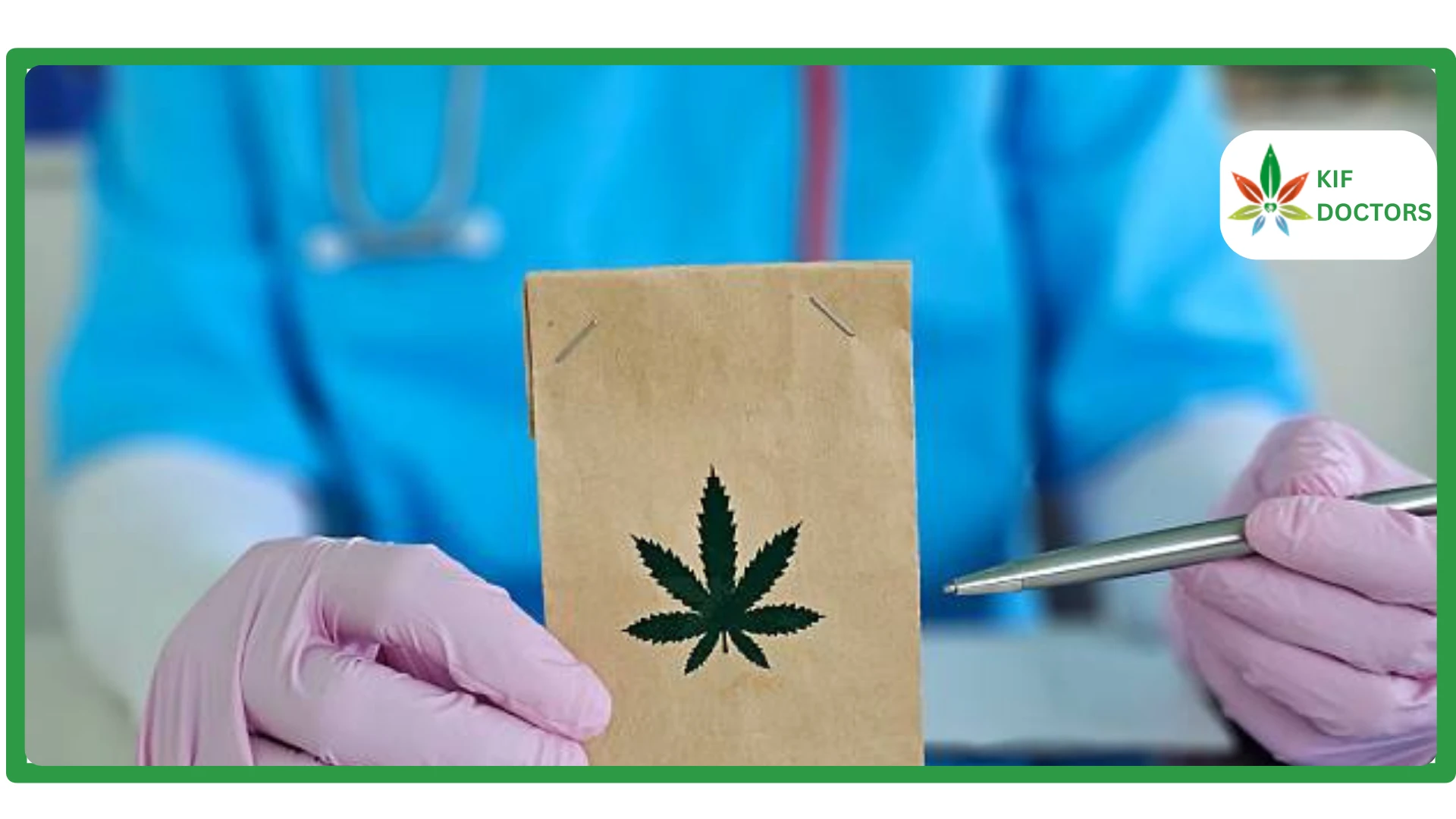
Instead of prescribing, a specially registered doctor can "recommend" or "certify" a patient. This certification is like an official permission slip. It proves you are a legal medical patient and allows you to buy medical cannabis from licensed stores called dispensaries.
The New York Answer: Practitioner's Discretion is Key
Now, let's talk specifically about New York. In the past, the state had a very strict list of "qualifying conditions." You had to have one of the specific illnesses on that list to get a medical card.
But here is the great news: that old list is gone! New York has made a big, positive change. The state now uses a system called "practitioner's discretion."
That might sound complicated, but it's very simple. It means a certified doctor can approve a patient for any condition if the doctor believes, in their professional opinion, that cannabis could help. This new rule is the most important part of understanding when can doctors prescribe medical cannabis in New York today.
Note: Getting your New York medical card is easier than ever. You can do it all online in just a few minutes with Kif. Our simple and quick services help you access the wellness benefits of cannabis safely and legally.
What Kinds of Conditions Might a Doctor Consider?
Even though there is no official list anymore, many people still wonder if their health problem might qualify. To help you understand, here are some examples of conditions that doctors often certify people for under the new rules.
This is not an official list, just some common examples:
- Chronic Pain (from things like arthritis, back injuries, or fibromyalgia)
- Anxiety, Panic Disorders, or PTSD
- Insomnia and other problems with sleep
- Cancer or the side effects from cancer treatment (like nausea)
- Nerve pain, which is also called neuropathy
- Inflammatory Bowel Disease (IBD), like Crohn's or colitis
The Process: The Moment a Doctor Decides to Certify You
So, let's look at the exact moment when a doctor makes the decision. It all happens during your medical evaluation.
The Medical Evaluation
The decision to certify you happens during your consultation with a doctor. This is just a safe and private conversation about your health.
You will talk about your health history, the symptoms you are feeling, and what other treatments you have tried in the past. It's a simple chat where you can be open and honest.
The Doctor's Professional Judgment
This conversation is the moment of truth. Based on what you tell them, the doctor will use their professional judgment to decide if cannabis could be a safe and helpful option for you.
If they believe it is, they can certify you right then and there. The easiest way to have this important conversation is through a simple and private online consultation, where a doctor can evaluate you right from your home.
Note: With Kif Doctors, you can connect with a certified doctor for your NY medical card or renewal. It's fast, done from home using telehealth, and costs just $149 for the first year and $99 for renewals. Plus, it's valid for a full year and comes with a 100% money-back guarantee.
Who Can Actually Certify You in New York?
This brings us to another important part of the question. Not just any doctor can certify you for medical cannabis.
A doctor must be specially registered with the New York State Office of Cannabis Management (OCM). They have to complete special training and be officially part of the state's program.
This is another key piece of information for the question of when can doctors prescribe medical cannabis. You don't have to worry about finding these doctors yourself. Trusted online telehealth services do all the work for you. They make sure you only talk to doctors who are properly registered and approved by the state.
Working with a platform like The Kif ensures you're connected to a practitioner who is fully authorized by the New York State medical cannabis program.
Conclusion: The "When" is a Conversation with Your Doctor
Let's quickly review the main points. Doctors "certify" you, they don't "prescribe." In New York, this decision is based on a doctor's professional opinion for any condition they think cannabis can help. And thankfully, the whole process is now very simple.
The answer to our big question isn't a long list of rules. It's all about having a conversation with a compassionate doctor.
So, when can doctors prescribe medical cannabis? The answer is simpler than ever before: it happens when they talk with you and decide together that it's the right path for your health and well-being.