Since 2021, Kif offers a streamlined platform to get a medical marijuana card online. We have served more than 45K patients across the United States. Sign Up Now to get the right to use medical cannabis for your health condition without any delay.










Many men today get testosterone shots from their doctors. They are especially good for men affected by low testosterone levels. Hormone replacement therapy for men is typically referred to as TRT (testosterone replacement therapy) by doctors. Some people also use these shots for other medical reasons.
Don’t Wait, Reclaim Your Vitality – Click here to Book Your TRT Consultation Now!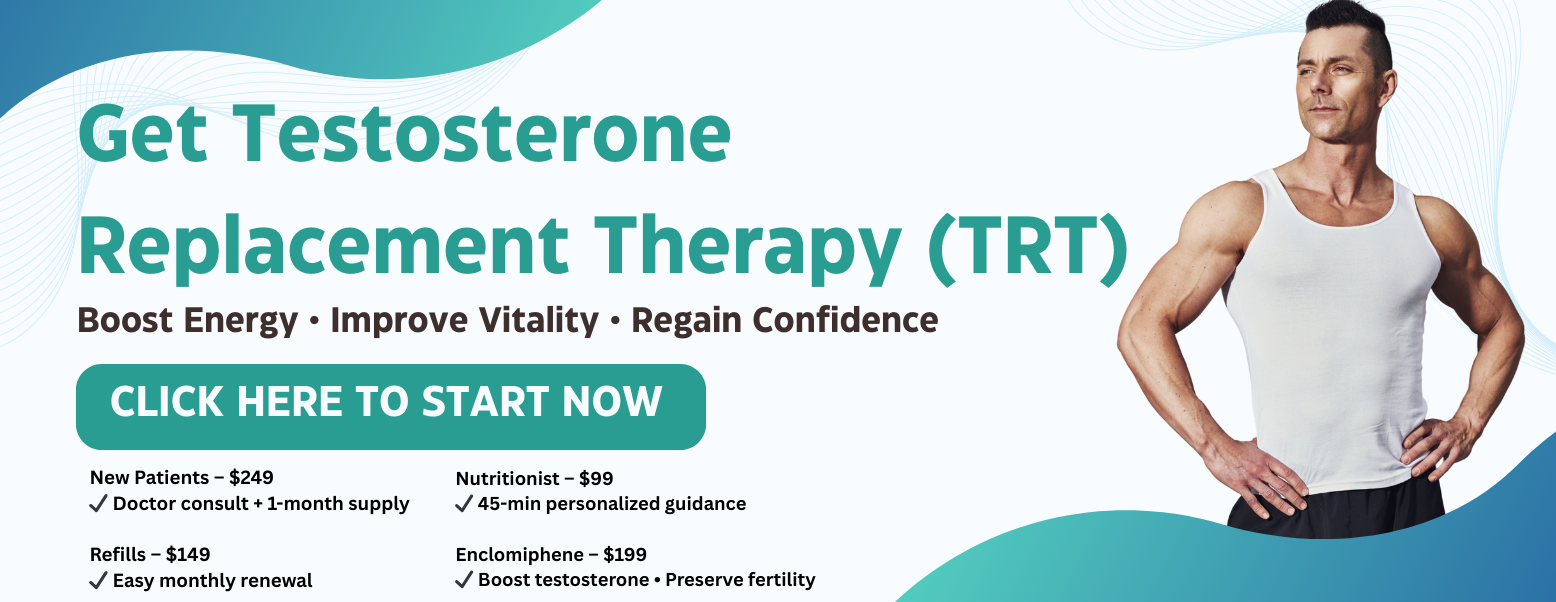
But testosterone shots can cause problems. You need to know about these side effects before you start treatment. This guide will help you understand what might happen when you use TRT.
About Testosterone Replacement Therapy
Your body makes less testosterone as you get older. This happens to most men. When testosterone gets too low, doctors might give you TRT. Women sometimes get hormone therapy too when they go through menopause.
Doctors draw blood to evaluate your testosterone levels. A testosterone level below 300 ng/dL is often when men start having problems. You might need testosterone therapy if you have these issues:
- Your interest in sex goes down
- You don't get morning erections like before
- You lose hair on your body
- Your bones get weaker
- Your chest grows bigger like a woman's
- Your testicles get smaller
- You can't get or keep an erection
What Are Testosterone Injections?
Testosterone shots are a type of hormone medicine. They put testosterone into your blood through a needle. Testosterone is a sex hormone that your body needs.
Both men and women have testosterone in their bodies. Men have much more than women.
This hormone controls many things in your body. It affects how you develop sexually, how much you want sex, and how you feel.
Different Types Of Testosterone Injections
1. Testosterone Cypionate
Testosterone cypionate is used in many forms of testosterone shots. Your doctor might prescribe the brand name Depo-Testosterone or a similar generic. The shot is given every 1 to 4 weeks into your butt muscle. Some people choose to inject themselves, but a nurse can do it as well.
The amount of medication you are given will be chosen by your doctor. You may take 50 mg up to 400 mg. Doctors use your age, your body’s reactions and any side effects you get to decide the right dose.
Testosterone cypionate takes time to work. You won't feel better right away. It usually takes a few weeks before your testosterone levels go up, and you start feeling better.
2. Testosterone Enanthate
Testosterone enanthate is another type of testosterone shot. Doctors give it in two different ways. One version called Xyosted goes under your skin. Other versions go into your muscle.
Under-the-skin shot: You get 75 mg of Xyosted every week. You can give yourself this shot in your stomach at home. Your doctor might change the amount based on how you respond.
Muscle shot: Generic testosterone enanthate goes into your butt muscle. You might get 50 mg to 400 mg every 1 to 4 weeks.
Your doctor will decide how much testosterone enanthate to give you. Your body might break down this type of testosterone a bit faster than testosterone cypionate.
Approved Uses For Testosterone Enanthate
Generic testosterone enanthate goes into your muscle. Doctors can use it for more things than other testosterone shots. This medicine can help:
- Teenagers who are late going through puberty
- Adult men who have low testosterone
- Adult women who have breast cancer that has spread
Xyosted, testosterone cypionate, and testosterone undecanoate can only be used for adult men with low testosterone.
3. Testosterone Undecanoate
Testosterone undecanoate is a newer brand-name testosterone shot called Aveed. This shot goes into your butt muscle. A nurse or doctor has to give you this shot.
You don't need testosterone undecanoate shots as often as other types. After your body gets used to it, you only need a shot every 10 weeks.
You get 750 mg of testosterone undecanoate each time. After your first shot, you get another one 4 weeks later. Then you can wait 10 weeks between shots after your third dose.
How Do Testosterone Injections Work?
The testosterone comes out slowly into your blood after you get the shot. After that, testosterone gets attached to parts of your body known as androgen receptors. Your muscles and bones have these receptors.
Whenever testosterone is bound to these receptors, it helps the body. Your muscles can get bigger. Your bones get stronger. You might perform better physically.
Testosterone shots might help you become more energetic and happy. They can give your thoughts clarity as well. This happens because testosterone helps your brain make chemicals that control your mood and motivation.
Short-Term Side Effects of TRT Injections
These problems usually happen soon after you start getting testosterone shots. They often get better as your body gets used to the treatment
Injection Site Reactions
The place where you get the shot might get red, swollen, sore, or bruised. These problems are usually not serious. You can make them less likely by getting shots in different places each time and using the right technique.
Mood Swings or Irritability
Some men feel their emotions go up and down when they first start treatment. This happens because your hormone levels are changing. Working with your doctor to find the right dose can fix this problem.
Acne or Oily Skin
Because of testosterone, your skin produces additional oil. There is a high chance of acne if you had it before. Cleaning your skin and looking after your hormone balance can help reduce breakouts.
Water Retention and Bloating
You may store excess water which gives you a puffy and bloated feeling. It does not go on for long. It’s helpful to skip loading up on salt and work on keeping estrogen in balance.
Long-Term Side Effects of TRT Injections
While giving testosterone shots to men usually helps, using them over a long period may lead to some problems that need to be checked.
Elevated Red Blood Cell Count (Polycythemia)
TRT can make your body create too many red blood cells. It leads to thicker blood. Blood that is too thick may lead to blood clots and strokes. Regularly testing your blood is needed by your doctor to spot this problem early.
Sleep Apnea Worsening
Men who have sleep apnea or might develop it could get worse symptoms. TRT can make breathing problems during sleep worse by affecting how stable your airway is. You might need a sleep study and regular check-ups.
Gynecomastia (Male Breast Tissue Growth)
When your body gets more testosterone than it needs, some of it gets changed to estrogen. Bringing about growth in the breast tissue is one of these changes. You may get medicine from your doctor that reduces estrogen; they may also give you a different estrogen dose.
Hair Thinning or Hair Loss
TRT can make men lose hair faster if they are already going to go bald because of their genes. Your doctor might suggest hair loss treatments like finasteride or minoxidil along with your TRT.
Infertility
Getting testosterone from outside your body can stop your natural sperm production. This happens because it messes up your body's normal hormone signals. Men who want to have children should talk about options like HCG or storing sperm before starting TRT.
Who Shouldn't Take Testosterone?
Testosterone isn't safe for everyone. Some people should never use TRT because it could cause serious problems. You shouldn't use testosterone if you have:
- Heart failure that isn't under control
- A history of heart problems
- Plans to have a baby soon
- Prostate or breast cancer right now
- Sleep apnea that isn't being treated
- Liver failure
- A blood disorder called polycythemia vera
What Causes Low Testosterone?
Low testosterone has three main types:
- Primary hypogonadism happens when your testicles don't work right. This can be caused by Klinefelter syndrome, mumps, cancer treatment, or injury to your testicles.
- Your pituitary gland and hypothalamus not functioning well lead to secondary hypogonadism. The usual causes are Kallman syndrome, tumors in the pituitary gland, HIV/AIDS, drugs used for pain, obesity and advancing age.
- Mixed hypogonadism happens when you have both types of problems. This often happens as you age and develop health issues.
Symptoms of Low Testosterone in Men
Low testosterone causes several common problems:
- You lose hair on your body
- Your muscles get smaller and you gain weight
- Your chest grows like a woman's
- You can't get or keep an erection
- You don't want sex as much or at all
- You feel tired and worn out
- You get hot flashes
- You don't sleep well
- You can't focus and feel foggy
- Your moods change and you feel depressed
Reclaim Your Vitality with The KIF
TheKIF offers modern TRT treatment that focuses on what patients need today. If you're thinking about TRT or want to switch to a more personal plan, look at their options:
- Free Consultation – $0 Talk to a licensed TRT doctor for free and find the best treatment plan for your needs.
- New Patient TRT Plan – $249 Start your treatment with a full month of testosterone therapy and a detailed online consultation with experts.
- Monthly TRT Subscription – Get consistent care with their easy monthly program. You get expert online consultations plus a one-month supply of medicine delivered to you.
- Refills – $149 Keep your treatment going easily with monthly refills that keep your testosterone levels where they should be.
Why Choose The KIF for Your TRT Needs?
- Expert online consultations
- Clear pricing with no hidden costs
- Completely personalized hormone care plans
- Safe, convenient, and private services
- Ongoing support from doctors who understand men's health
Don't let low testosterone control your life. Take charge of your energy, strength, and health in 2025 with TheKIF.com.
Book your FREE consultation today and take the first step toward better health.
FAQs
1. Are TRT injections safe for long-term use in 2025?
Yes, TRT injections are usually safe for long-term use when qualified doctors watch over your treatment. You need regular blood tests, dose changes, and management of possible side effects like too many red blood cells or estrogen problems. Clinics like TheKIF.com offer ongoing online support and monthly subscriptions to make this easy.
2. How soon can I expect results from testosterone injections?
Most patients start to notice better energy, sex drive, and mood within 2 to 4 weeks of starting TRT shots. But full benefits like bigger muscles, stronger bones, and clearer thinking can take up to 3 to 6 months. How well you respond also depends on your lifestyle and how well your treatment is set up.
3. Can TRT injections cause infertility?
Yes, TRT brings down sperm production since it stops natural testosterone signals in your body. Even if the side effect is reversible, men who wish to keep their fertility should discuss using HCG or sperm storage before going forward with TRT. TheKIF's expert doctors help guide patients through these decisions clearly.
4. What lab tests should I undergo during TRT treatment?
Ongoing lab tests are important and usually include total and free testosterone, estradiol, PSA, complete blood count, liver function, and lipid panel. These tests help watch for side effects and adjust your TRT plan as needed. TheKIF's subscription plans include regular online check-ins to make sure everything stays on track.
5. Is there a difference between TRT gel and injections in terms of side effects?
Yes. Both offer testosterone, but injections help keep testosterone more steady day to day. Yet, some risks are higher with these drugs, such as having higher red blood cell counts. Gels are simple to apply, but can lead to skin irritation or give the transferred color to others. TheKIF team can help you choose the right form based on your goals and medical history.
Conclusion
Many men who have low testosterone can find that their day-to-day lives are improved by testosterone replacement therapy injections. Even so, they might result in side effects, exactly as other medical procedures do.
Your doctor and the medical team will help you reduce these risks if you are properly informed. Studying your body, getting lab tests and making changes in your plan help you stay healthy over time.