Since 2021, Kif offers a streamlined platform to get a medical marijuana card online. We have served more than 45K patients across the United States. Sign Up Now to get the right to use medical cannabis for your health condition without any delay.








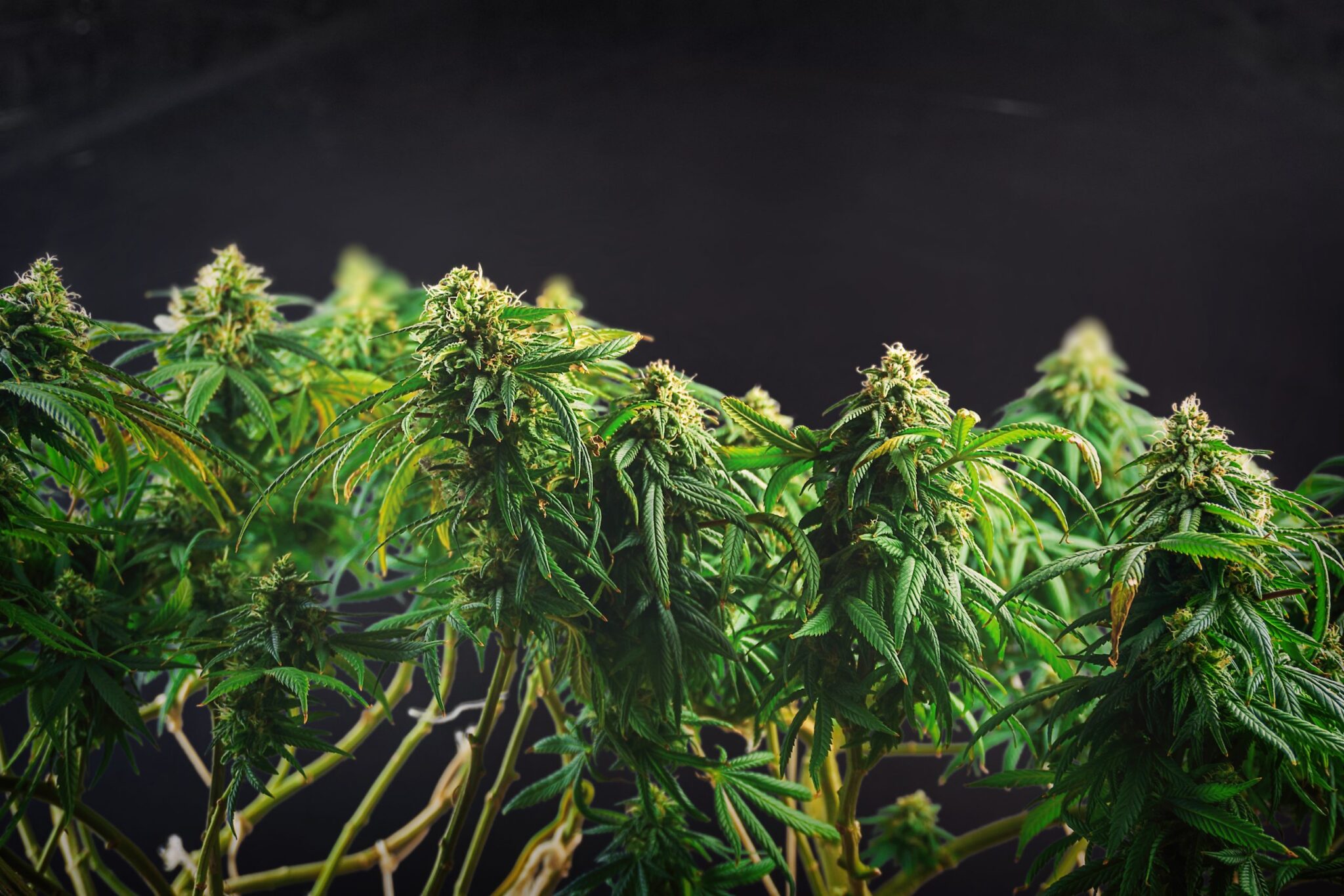

Light deprivation, often called "light dep" in the cannabis community, is a game-changer for outdoor growers. By controlling the light cycle, you can trick cannabis plants into flowering earlier than nature intended, unlocking the potential for multiple harvests in a single season. It’s a technique that blends the raw power of the sun with the precision of indoor cultivation, and it’s no wonder growers across the United States are embracing it. As we step into 2025, the method continues to evolve, driven by innovative growers and a deeper understanding of cannabis genetics.
I’ve spent years researching cannabis cultivation, digging into the science behind it, and talking to growers who’ve mastered this craft. Light deprivation isn’t just about speeding things up—it’s about optimizing quality, yield, and timing. Whether you’re avoiding unpredictable fall weather or aiming to double your harvest, choosing the right strain is the foundation of success. In this guide, we’ll explore the best cannabis strains for light deprivation growing, break down why they work, and offer practical tips to help you thrive in 2025.
What Is Light Deprivation Growing?
At its core, light deprivation is about manipulating the photoperiod—the hours of light a plant receives each day—to trigger flowering. Cannabis is a photoperiod plant, meaning it shifts from vegetative growth to flowering based on light cues. In nature, this happens as summer days shorten into fall. With light dep, you use blackout tarps or greenhouses to artificially create a 12-hour light/12-hour dark cycle, convincing your plants it’s time to bloom—sometimes as early as July.
The benefits are clear: you can harvest before autumn rains or frosts hit, and in many regions, you can squeeze in two full cycles instead of one. It’s a technique born in the 1980s in Humboldt County, California, and refined over decades. Today, it’s a staple for growers who want control without losing the cost-saving power of sunlight. But not every strain thrives under this method. The best candidates are short, fast-flowering, and resilient—qualities we’ll dive into as we explore top picks for 2025.
Why Strain Selection Matters
Cannabis strains aren’t one-size-fits-all when it comes to light deprivation. A towering sativa that stretches for months won’t fit under a tarp, and an autoflowering strain—while speedy—won’t respond to light manipulation at all. You need photoperiod strains that finish quickly, stay compact, and handle the stress of a controlled environment. Height, flowering time, and resilience to pests or mold are key factors, especially since light dep setups can trap heat and humidity.
Choosing the right strain means balancing your goals—yield, potency, flavor—with the realities of your setup. A strain that’s too tall risks outgrowing your greenhouse, while one that’s too slow might not finish before the weather turns. The strains I’ve selected for this guide are proven performers, backed by grower feedback, seed bank data, and the latest trends in cannabis cultivation as of April 2025.
Top Cannabis Strains for Light Deprivation in 2025
Here’s a curated list of the best strains for light deprivation growing, tailored for American growers looking to maximize their 2025 season. These picks are short, fast, and adaptable—perfect for the light dep method.
Northern Lights
Northern Lights is a legend for a reason. This indica-dominant hybrid grows to a manageable 43-47 inches, making it ideal for light dep greenhouses with limited headspace. Its flowering time is a brisk 42-56 days, ensuring you can wrap up a cycle quickly and start another. Yields are impressive too—expect 2-2.33 ounces per square foot, or up to 21 ounces in a 3x3 setup with two harvests in a season.
What makes Northern Lights a standout is its resilience. It shrugs off pests and mold, which can be a concern in the humid confines of a blackout tent. The buds drip with resin, delivering a potent, earthy flavor that’s a favorite among enthusiasts. For growers new to light dep, this strain’s forgiving nature is a huge plus.
Pineapple Donut
If you’re after something with a tropical twist, Pineapple Donut is a sativa-leaning hybrid that adapts beautifully to light deprivation. It stays relatively short—around 40-50 inches—and flowers in 50-60 days. Yields hover around 1.8-2 ounces per square foot, but the real draw is its flavor: a mix of pineapple and sweet, cakey goodness.
Bred as part of Phylos’ Elite collection, Pineapple Donut boasts high resistance to pests and diseases, making it a low-stress option for beginners and pros alike. Its compact size and fast finish make it a natural fit for light dep, and the uplifting effects are a bonus for those who love a creative buzz.
GSC Extreme
GSC Extreme, a spin on the classic Girl Scout Cookies, is an indica-hybrid that shines in light deprivation setups. It grows to 27-44 inches—perfect for tight spaces—and flowers in 55-65 days. Yields range from 1.5-2 ounces per square foot, translating to 14-18 ounces in a 3x3 garden with two cycles.
This strain’s dense, frosty buds carry a sweet, earthy profile with a punch of potency. It handles the heat and humidity of light dep well, though good ventilation is a must to prevent mold. GSC Extreme is a crowd-pleaser, blending ease of growth with top-shelf quality.
Blueberry
For flavor chasers, Blueberry is a must-try. Developed by breeder DJ Short, this indica-dominant strain grows to 30-50 inches and flowers in 50-60 days. Yields are solid at 1.6-2 ounces per square foot, and the buds burst with a sweet, fruity aroma that’s hard to resist.
Blueberry’s compact stature and quick turnaround make it a light dep favorite. It’s moderately resistant to pests, but you’ll want to keep an eye on humidity levels. The payoff is a smooth, relaxing high that’s perfect for unwinding—ideal for growers who value taste as much as efficiency.
How to Set Up a Light Deprivation Grow
Choosing a strain is just the start—your setup is what brings it all together. Light deprivation requires a bit of planning, but it’s manageable with the right approach. Here’s a step-by-step guide based on what’s working for growers in 2025.
Step 1: Build Your Structure
You’ll need a frame—think PVC pipes or metal hoops—covered with a light-proof tarp or blackout fabric. Greenhouses are ideal, but you can scale down to a single plant with a custom cover. The key is total darkness for 12 hours a day. Even a sliver of light can disrupt flowering or stress your plants into hermaphroditism.
Step 2: Time It Right
For two harvests, start your first cycle in late spring (April-May) and cover plants daily from 6 PM to 6 AM. Harvest by late July, then start your second cycle to finish in October with natural light cycles. Adjust based on your local climate—check weather.gov for daylight and frost data.
Step 3: Manage Ventilation and Heat
Blackout tarps trap heat and moisture, so install fans or vents to keep air moving. Aim for 70-85°F and 40-60% humidity during flowering. A small dehumidifier can help if things get sticky.
Step 4: Monitor and Adjust
Check plants daily for light leaks (if you can read a book inside during the dark phase, it’s too bright) and watch for stress signs like yellowing leaves. Consistency is everything—automated timers for tarps can save you headaches.
Tips for Success in 2025
Light deprivation isn’t rocket science, but a few insider tricks can elevate your game. Here’s what I’ve learned from growers and the latest cultivation trends.
- Start Small: Test one strain in a small setup before scaling up. Northern Lights is a great beginner pick.
- Prune Strategically: Trim lower branches to focus energy on top buds and improve airflow.
- Use Breathable Tarps: They reduce heat buildup compared to plastic—look for options at grow shops.
- Pair with Training: Low-stress training (LST) keeps plants short and boosts yields.
- Get Legal: If you’re growing for medical use, I always recommend going for a Medical Marijuana Card Online Instantly. Kif Doctors offers a same-day service—apply, get approved, and access relief fast.
The Science Behind Light Deprivation
Why does this work? Cannabis relies on photoreceptors—proteins in the plant that detect light—to regulate its life cycle. When daylight drops below 14 hours, it signals the shift to flowering via hormones like florigen. Light dep mimics this by enforcing a strict 12/12 cycle, speeding up the process. Research from the National Institutes of Health shows photoperiod manipulation can increase yield efficiency by up to 50% in controlled settings—data that holds true for outdoor light dep too (nih.gov).
The catch? Stress. Interruptions in the dark phase—like a stray flashlight—can confuse the plant, leading to lower potency or seed production. That’s why precision matters as much as strain choice.
FAQs About Light Deprivation Growing
Can I use autoflowering strains with light deprivation?
No. Autoflowers bloom based on age, not light cycles, so light dep won’t affect them. Stick to photoperiod strains like the ones listed here.
How many harvests can I get in a year?
Two is standard—spring to midsummer, then midsummer to fall. In warm climates, some growers push for three with fast strains like Northern Lights.
Does light dep weed taste different?
It can. The controlled flowering can enhance terpenes, but heat or humidity stress might dull flavors if not managed. Quality depends on execution.
What’s the biggest challenge?
Consistency. Daily tarp management and preventing light leaks are labor-intensive but critical for success.
Conclusion
Light deprivation growing is a powerful tool for American cannabis cultivators in 2025, blending nature’s gifts with human ingenuity. Strains like Northern Lights, Pineapple Donut, GSC Extreme, and Blueberry offer the perfect mix of speed, size, and quality to make it work. With a solid setup, a little diligence, and the right genetics, you can turn one harvest into two—or more—while dodging the whims of weather.
This isn’t just about growing more cannabis; it’s about growing smarter. Whether you’re a hobbyist or a commercial grower, light dep opens doors to flexibility and abundance. Pick a strain, set up your tarps, and watch your garden thrive. The future of outdoor cannabis is here—and it’s looking bright, even in the dark.