Since 2021, Kif offers a streamlined platform to get a medical marijuana card online. We have served more than 45K patients across the United States. Sign Up Now to get the right to use medical cannabis for your health condition without any delay.









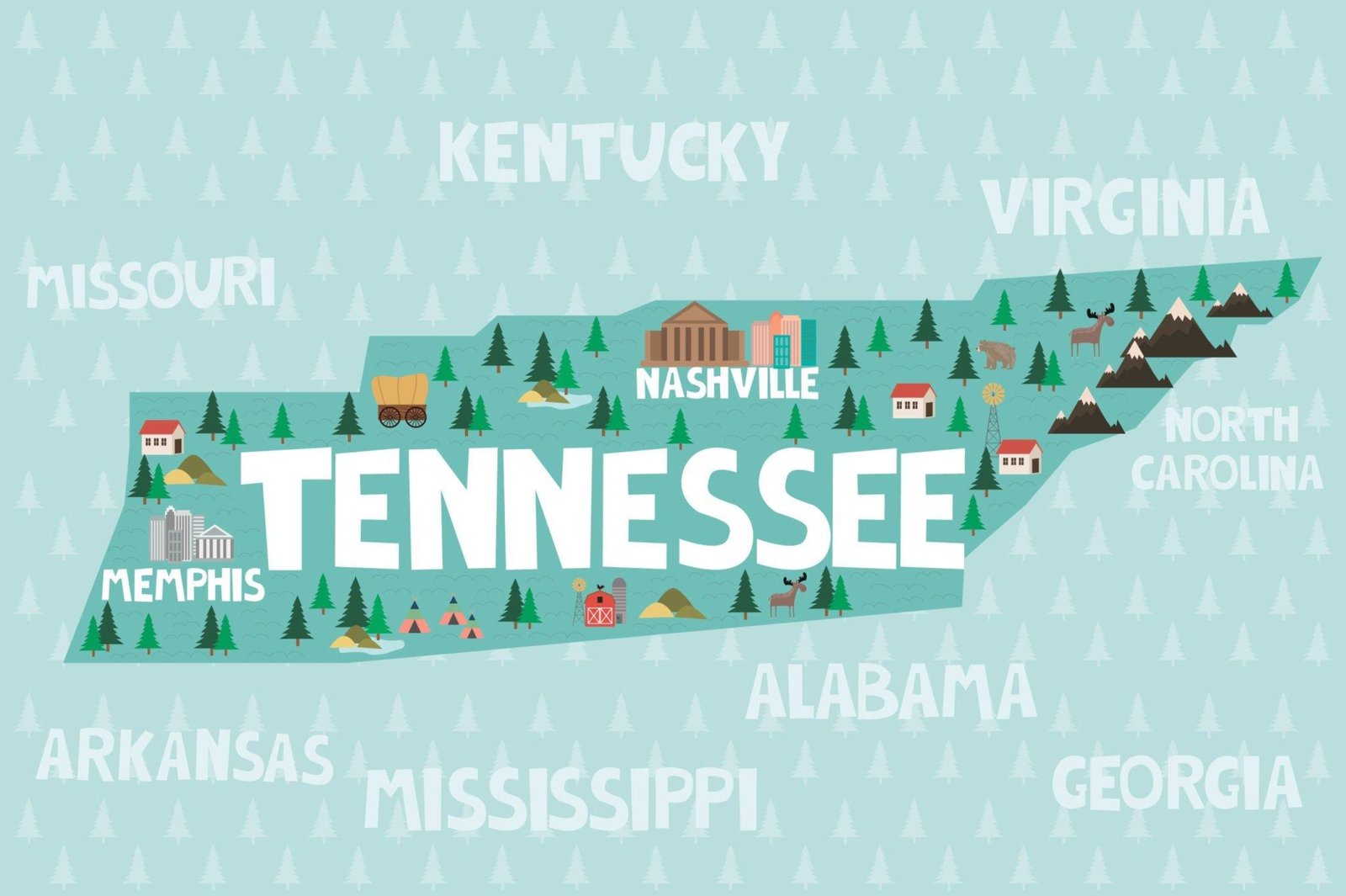

The issue of marijuana legality has woven itself into the fabric of modern society, igniting discussions that span medical and societal realms.
Among the states engaging in these conversations, Tennessee emerges as a distinctive player. It is grappling with the multifaceted dimensions of marijuana legislation.
The legal status of marijuana has undergone significant transformations in various states across the United States. One such state that has seen shifts in its marijuana legislation is Tennessee.
In Tennessee, marijuana use is generally prohibited. It is not allowed to possess marijuana, whether it is for personal use or medical treatment. Despite this, the legislation permits a small exception for medical use. This has little to no effect on locals' marijuana consumption.
From its historical roots firmly entrenched in prohibition to the burgeoning prospects of medical marijuana; Tennessee’s journey encapsulates the broader evolution of attitudes and policies surrounding this plant.
This exploration delves deep into the intricate layers of Tennessee's stance on marijuana and traversing the corridors of legislation. And ultimately reflecting on the broader implications that resonate for its residents and visitors.
Let us explore more of it and understand it better-
History of Legislation In Tennessee
Although Tennessee has historically taken a conservative stance on marijuana, like much of the nation, its viewpoint has evolved over time. Historically, the state rigorously forbade marijuana use to comply with federal law. However, as perceptions toward marijuana and its potential advantages changed, Tennessee started looking into alternatives to an outright ban.
Tennessee is one of the states with the harshest marijuana laws. Cannabis has no authorized uses at all. There is, however, a very small exemption for epileptics who experience uncontrollable seizures. In any of Tennessee’s accredited medical schools, these patients are typically under the care of a licensed research physician.
The Senate has blocked or rendered ineffectual all attempts to legalize medical marijuana. That is, up until-
In 2015, Governor Bill Haslam passed Tennessee CBD laws. It enables doctors to recommend CBD oil to patients with severe epilepsy that contains less than 9% THC. To buy, though, is impossible within the state.
2021 - Tennessee's governor approved HB0490, a measure that added further medical ailments to the list of qualifying diseases for medicinal marijuana. It established new legislation allowing qualifying patients to possess cannabis oil with a THC content of no more than 0.9 percent. It also established a commission to investigate medical marijuana.
Tennessee Medical Marijuana Card
Tennessee does not recognize medical marijuana, so there is no such thing as a card there. There is also no registry or certification of any kind.
However, representatives of individuals with medical training who are concerned about patients with severe medical issues are making an effort. The proper use of medicinal marijuana may provide symptom alleviation and even a cure, and this idea is being pushed before the Senate for more research and an expansion of Tennessee's marijuana regulations.
Qualifying Conditions
Under the Tennessee Medical Cannabis Act, patients would be qualified for medical marijuana if they have been diagnosed with specific qualifying conditions. These conditions typically include severe or debilitating diseases.
A few of them are such as cancer, Parkinson's disease, and more. The list of qualifying conditions is intended to encompass a range of medical issues for which medical marijuana might provide relief.
Qualification Requirements
You must fulfill the following requirements in order to lawfully acquire medical marijuana oil in Tennessee that contains up to 0.9% THC:
- Must be a Tennessee resident
- Possess a diagnosis of intractable epilepsy with seizures and be supervised by a Tennessee-certified research physician
How To Buy Marijuana In Tennessee?
The state severely forbids and regulates the use of medical marijuana. There are no authorized ways to get medical marijuana. Despite the fact that 0.9% low-THC CBD oil is made available for those who have epilepsy, this is the case.
The fact that this prescription is purchased from the United States of various States, including Tennessee, makes it more challenging for the patients.
A manufacturer's label stating that the product contains less than 0.9% THC must be present on the purchasing package. A valid purchase receipt is a requirement for buyers.
We know that Tennesseans cannot petition to have a medical marijuana proposal added to the ballot. The state legislature would need to approve any plan for legalizing marijuana.
It is best to follow existing laws up until that point and seek the advice of qualified medical professionals to speed up your recovery.
Possession Limits
Firm marijuana regulations in Tennessee are the result of legal sanctions against the possession and cultivation of any quantity of marijuana in Tennessee.
- Personal possession of up to 12 oz is a Class A misdemeanor punishable by up to a year in jail and a $250 fine in the case of a first conviction. Any more than that becomes a felony violation. It is presumed to have been obtained through the selling of marijuana.
- Any cultivation is a Class E felony that carries a minimum one-year sentence as well as a $3,000 fine. As the amount of marijuana increases, this grows exponentially.
- Possession of concentrates weighing less than 14.75g is punishable by 11 months in prison.
- 1 to 6 years in prison for growing fewer than ten plants
However, it's important to note that marijuana laws are subject to change. With ongoing discussions about the potential for medical marijuana legalization, the landscape could shift. It could potentially be impacting possession laws and penalties.
Tennessee's evolving approach to marijuana legality reflects the nationwide shift in attitudes towards this once-taboo substance. From a history of stringent prohibition to exploring the possibilities of medical marijuana, the state is navigating uncharted territory.
While recreational marijuana remains illegal, the potential introduction of a medical marijuana program offers a glimmer of hope for patients with debilitating conditions.
However, the journey from legislation to access is complex with the establishment of a medical marijuana card system. There is a lot that has to be taken care of.
The consideration of qualifying conditions and the implementation of purchasing processes all require meticulous planning and oversight. Striking the right balance between compassionate care and regulatory control is a challenge. It should be addressed by policymakers.
Conclusion
As Tennessee continues to deliberate the future of marijuana within its borders, the state's residents must stay informed about the latest developments.
The potential benefits of medical marijuana underscore the importance of comprehensive, well-regulated programs that prioritize patient well-being and responsible use.
The road ahead involves navigating a myriad of legal and ethical considerations. It makes it crucial to maintain an open dialogue among policymakers and the broader community.
Also Read: How To Get A Medical Marijuana Card In Tennessee?