Since 2021, Kif offers a streamlined platform to get a medical marijuana card online. We have served more than 45K patients across the United States. Sign Up Now to get the right to use medical cannabis for your health condition without any delay.








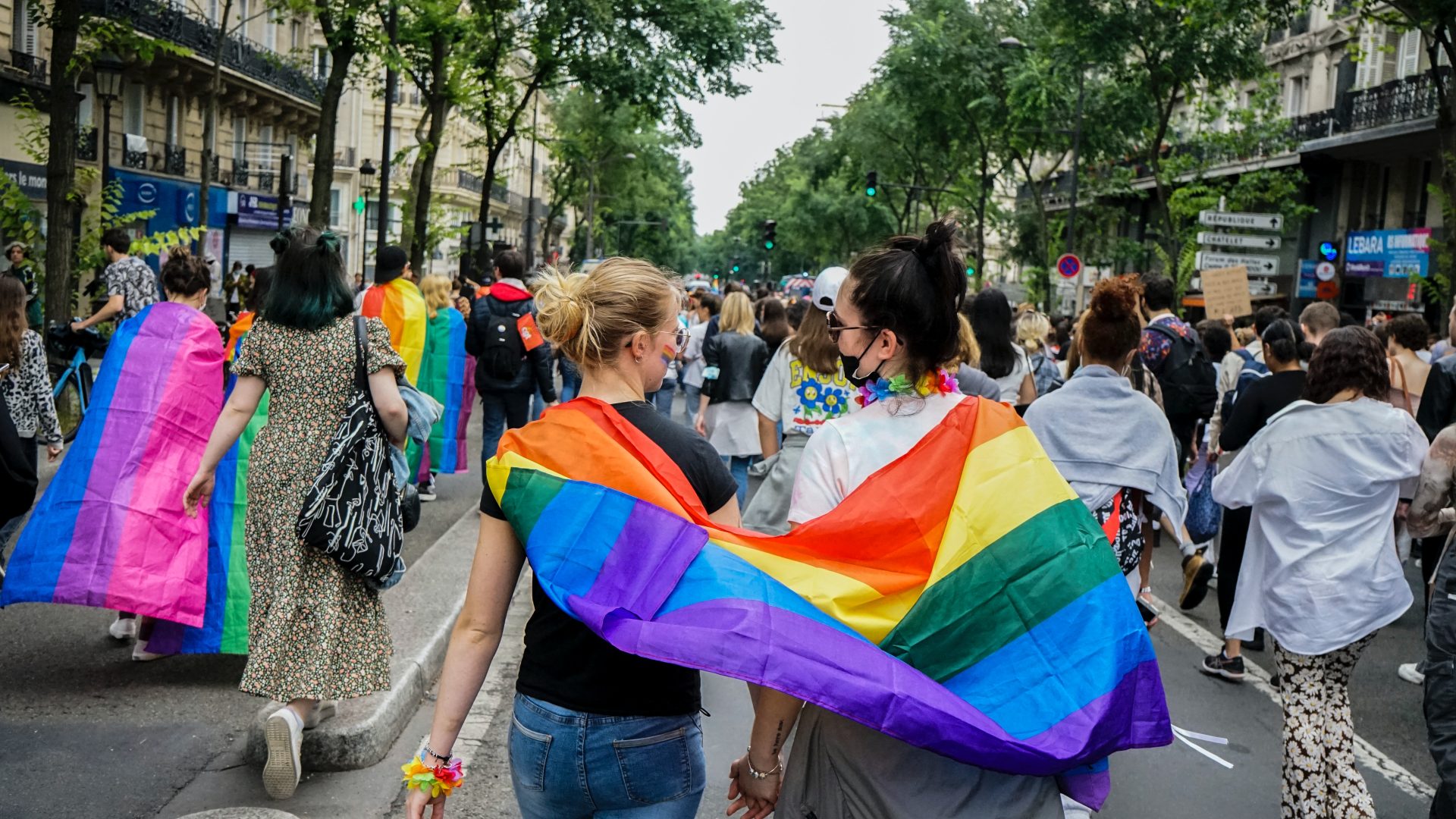

Medical marijuana has gained significant recognition as a potential remedy for various health conditions. With more states legalizing its use for medical purposes, there's an increased interest among individuals from different walks of life, including the LGBT community. However, just like any other group, LGBT individuals may wonder if they are eligible to obtain a medical marijuana card in the United States. In this article, we'll explore the current status of medical marijuana laws in relation to the LGBT community.
Understanding Medical Marijuana and its Legal Status
Medical marijuana refers to the use of the cannabis plant, or its derivatives, to alleviate symptoms or treat medical conditions. In the United States, the legal status of medical marijuana varies from state to state.
The LGBT Community and Medical Marijuana Access
Medical marijuana laws generally do not discriminate based on a person's sexual orientation or gender identity. These laws focus on medical conditions that qualify an individual to get a medical marijuana card. The application process typically treats all applicants equally.
Qualifying Medical Conditions
To be eligible for a medical marijuana card, an individual, regardless of their sexual orientation or gender identity, must have a medical condition that falls within their state's list of qualifying conditions. Common qualifying conditions may include chronic pain, cancer, epilepsy, multiple sclerosis, and post-traumatic stress disorder (PTSD), among others. The exact list of qualifying conditions varies from state to state.
Consultation with a Healthcare Professional
The process of obtaining a medical marijuana card starts with a consultation with a healthcare professional. It's essential to find a knowledgeable and open-minded healthcare provider. This step is particularly important for the LGBT community, as some individuals might feel more comfortable discussing their health concerns with a supportive healthcare provider.
Confidentiality and Non-Discrimination
Healthcare professionals are bound by patient confidentiality laws, which protect the privacy of the patients they treat. This includes information about an individual's sexual orientation or gender identity. Discrimination based on these factors is not only unethical but also illegal in most states. If LGBT individual feels that they have faced discrimination during the medical marijuana application process, they should seek legal advice to protect their rights.
State-Specific Requirements
Each state has its own requirements and application process for obtaining a medical marijuana card. These requirements may include submitting medical records, proof of residency, and a valid identification card. Applicants should familiarize themselves with their state's specific guidelines to ensure they meet all the necessary criteria.
Benefits of Medical Marijuana for the LGBT Community
Research has shown that medical marijuana can be beneficial for a variety of health conditions, and the LGBT community faces certain health challenges that could potentially be alleviated by its use. For example, members of the LGBT community may experience higher rates of anxiety, depression, and stress due to societal discrimination and stigmatization. Medical marijuana's potential to reduce these symptoms could offer relief and improve overall well-being.
Inclusivity and Support:
Thankfully, many medical professionals have been actively working to create inclusive environments that welcome patients from all walks of life, including the LGBT community. They aim to provide a safe space for patients to discuss their health concerns openly. If an individual feels uncomfortable with one healthcare provider, they have the right to seek another who can better understand their unique needs.
Also Read: Can Non-U.S. Residents Get A Medical Marijuana Card?
Conclusion
In conclusion, LGBT individuals in the United States can indeed qualify for a medical marijuana card if they have a medical condition that meets their state's criteria for eligibility. Always remember to stay up-to-date with the latest laws and regulations in your state to ensure compliance with the current legal framework.