Since 2021, Kif offers a streamlined platform to get a medical marijuana card online. We have served more than 45K patients across the United States. Sign Up Now to get the right to use medical cannabis for your health condition without any delay.










TRT (Testosterone Replacement Therapy) can change lives in terms of improving energy, muscle mass, libido, and reversing symptoms from low Testosterone Levels—but while the physical components get all the attention, we inadvertently miss a potentially beneficial side of TRT; the emotional and psychological effects.
Are you considering starting TRT, or have a couple of injections and are feeling “off”? Understanding the mental components of Testosterone Therapy may help you regain control over your journey.
Don’t Wait, Reclaim Your Vitality – Click here to Book Your TRT Consultation Now!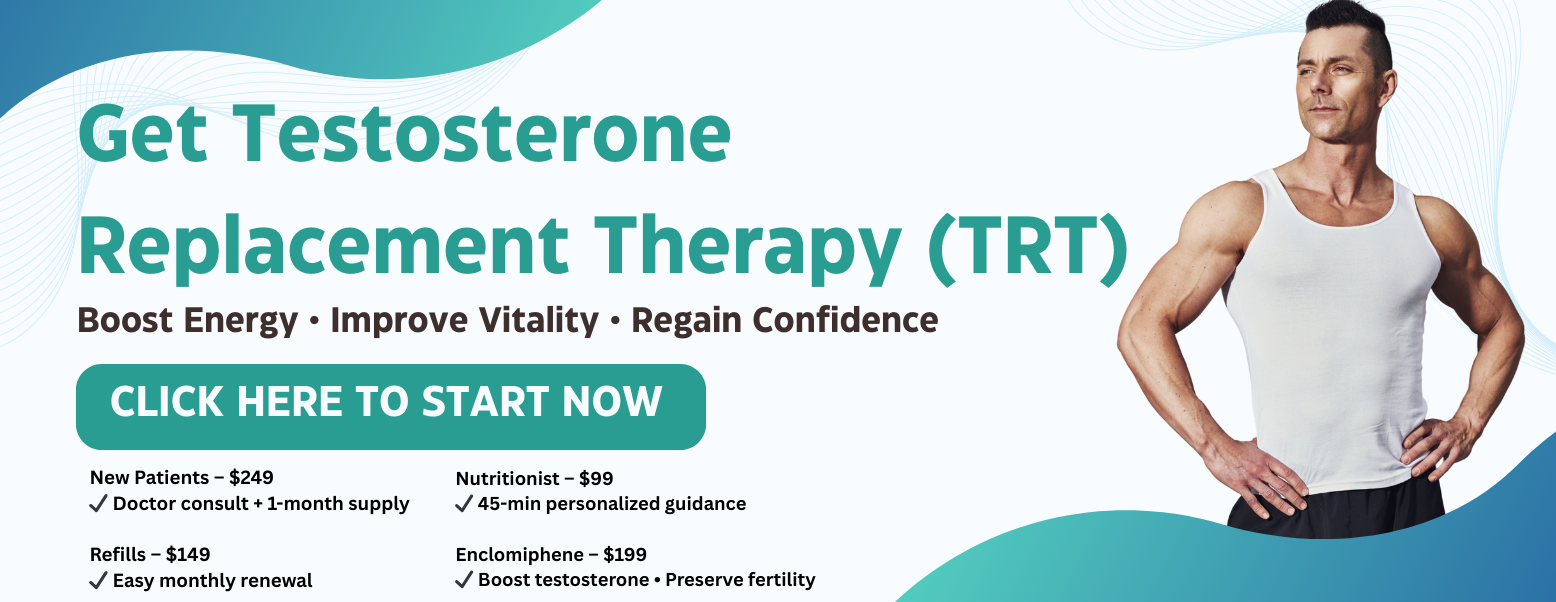
This article outlines the most common mental side effects of TRT Injections and injections in general such as how they can occur, and the populations most vulnerable, and what you can do to manage these tried and trusted effects.
How Low Testosterone Affects People Mentally?
Low testosterone impacts not only your body but also your mind. When your T levels drop beneath the appropriate level, your emotional and cognitive equilibrium can be thrown out of whack in ways that feel messy, confusing, and even frightening.
Let’s take a look at how the mental fog develops - and what it might be replaced for:
Mood Disorders and Depression
Low testosterone can often mimic all of the classic signs of depression. Men may feel like they are in a constant state of sadness, disconnection, and emotional numbness without understanding that hormones — and not situations — are to blame.
Anxiety and Irritability
In addition to sadness, many are feeling more irritable, or a constant sense of unease. Testosterone is involved in modulating all of the neurotransmitters that affect stress and resilience.
Cognitive Impairment and Brain Fog
Do you feel spacey or just fuzzy-headed? Many men with low testosterone also describe this as brain fog, meaning a state of slow, vague thinking and a lack of memory and focus.
Low Motivation and Drive
Low testosterone is often run into the ground as "laziness" or "burnout". While this is understandable, it is important to acknowledge that the brain’s systems of reward and drive cannot function optimally without healthy testosterone levels.
Low Self-Esteem and Confidence
Testosterone helps men objectively evaluate themselves. When men experience low testosterone, their confidence can take a hit – and the effects can have widespread ramifications across personal and professional decisions.
Relationship Strain and Social Withdrawal
Emotional withdrawal, irritability, or loss of libido can cause tension in relationships. As men withdraw and disconnect, it may exacerbate feelings of loneliness or stress even further.
Common Mental Side Effects of TRT Injections
Although TRT is meant to improve mood and mental clarity, there are side effects associated with the transition. These are the most commonly reported emotional reactions to TRT injections—and how to mitigate them.
1. Mood Swings and Irritability
Inconsistencies in levels of testosterone in the initial period of TRT can oscillate your mood. One minute, you are feeling energized; the next, you are agitated. This is not unusual and often diminishes as your levels stabilize.
How to Manage: Ask your provider about possibly splitting your dose into smaller and more frequent injections to avoid increased hormonal spikes.
2. Increased Aggression or Impulsivity
An increase in testosterone can increase assertiveness—this is not always a bad thing. However, sometimes, this can lead some men to aggressiveness and poor impulse control.
How to Manage: Keep a log of how your behavior changes. If it is affecting your employment or relationships, consult a mental health professional or TRT specialist.
3. Anxiety and Restlessness
You know that jittery, weird feeling after getting an injection? It's not uncommon, especially in the first few weeks. Rapid changes in hormones can sometimes activate your body's nervous system more than you'd expect.
How to Manage: Scale back on the caffeine and keep track of your symptoms. Sometimes, a slight change in your injection time can make a huge difference.
4. Euphoria or Hypomania
A few men feel a little high at first—filled with energy, drive and confidence. That "testosterone rush" can feel awesome until it doesn't.
How to Manage: Understand that it is temporary—and try to sit with it. Stay grounded and try not to make any major decisions during this state.
5. Depression or Emotional Flatness
Ironically, some men report feeling more emotionally flat or down while on TRT, especially when their hormone levels are not optimized.
How to Manage: Stay on top of any lab work. Finding the right dose is very much a science, so working with an experienced provider is essential to making tweaks.
Who is More Likely to Experience Mental Side Effects?
No one will have the same experience on TRT. Mental side effects are most common in:
- Men who already have anxiety, depression or other mood disorder issues.
- In younger men, their hormone systems are generally more reactive.
- Men with high levels of stress, poor sleep or a bad diet.
- Men who start on a high dose.
What Are the Steps to Minimize the Mental Side Effects of TRT Injections?
Want to experience the upside of TRT without the emotional rollercoaster? Follow these steps:
Start with Comprehensive Hormone Testing
Total testosterone is a part of the puzzle. A full panel will help you (and your provider) see a complete picture of your hormonal ecosystem.
What to Do:
- Request tests for free T, estrogen (E2), SHBG, cortisol, and DHEA
- Re-test every 8-12 weeks and track symptoms over time
- Look for patterns in your lab results and how you were feeling at the same time
Choose the Right TRT Dosage and Frequency
Dosing isn't one-size-fits-all. The majority of direct TRT side effects stem from steep highs and lows in hormone levels due to infrequent or too-large injections.
What to Do:
- Start small, go slow
- Consider a twice-weekly injection rather than a large weekly dose
- Work on your dosing schedule with your provider, other than how “quick” you want results
Monitor Estrogen and Use Aromatase Inhibitors Cautiously
Testosterone can convert to estrogen. This is normal, but too much estrogen can lead to a variance in emotional swings or sensitivity.
What to Do:
- Test estradiol levels at least twice a year
- Only use aromatase inhibitors when necessary.
- Avoid crashing your estrogen because estrogen is crucial for mental health and cardiovascular health.
Incorporate Mental Health Screening and Support
TRT can intensify pre-existing emotional patterns—especially when you have a problem with any level of anxiety or depression.
What to Do:
- Consider a psychological evaluation prior to starting treatment
- Track mood changes each week with an app or a journal
- Talk to a counsellor, if symptoms persist
Optimize Lifestyle Factors That Affect Mental Health
TRT isn't a magic bullet. And your lifestyle has a huge impact on how you feel, physically and mentally.
What to Do:
- Sleep: Maintain a 7–9 hour sleep routine; Bad sleep will diminish the benefits of testosterone.
- Nutrition: Fill your plate with as many whole foods healthy fats, and limit sugar.
- Exercise: Resistance training increases testosterone and mood.
- Stress Reduction: Practice mindfulness or deep breathing exercises each day.
Avoid Alcohol, Recreational Drugs, and Overstimulation
Alcohol, recreational drugs, and stimulants can increase mood volatility and disrupt how hormones are metabolized.
What to Do:
- Minimize or eliminate alcohol, especially during the first phase of TRT
- Keep caffeine at lower levels
- Be honest with your provider regarding drug use—it matters
TRT Done Right with The KIF
When it comes to Testosterone Replacement Therapy, having a reliable provider can change everything. The KIF not only provides a customized TRT plan for your physiological needs, but also your emotional health needs!
Here’s what you get:
Free Consultation – $0
There is no pressure, there are no hard costs, just a real conversation with consultants that can help in starting your TRT journey.
New Patient TRT – $249
You receive a full health assessment, a telehealth appointment, and the first month (customized to you).
Monthly TRT Subscription
Continued support, monthly labs, and hormone adjustments on your time.
Refill Plan – $149/month
Already on Testosterone Replacement Therapy? The KIF will help you maintain healthy treatment levels (with professional management).
Conclusion
Testosterone Replacement Therapy can give your life, both mentally and physically, a reboot—but like any therapy, it must be done correctly. By understanding the effects of testosterone on your mind and mood, you will feel more in control of this process to maintain the highest quality of life.
Don't forget about the mental side effects - they are real but manageable through quality care. At The KIF, we will guide you throughout the entire process, providing you with customized treatment that fits with your needs and protects your mental health.
FAQs
1. Can TRT injections cause mood swings or emotional changes?
Yes. It is typical to have mood changes or irritability when starting TRT. These initially occur but should resolve when the body equilibrates to its new level of testosterone. Close monitoring and adjusting your doses (especially when guided by a clinic) can help with the initial mood instability.
2. How long do mental side effects from TRT typically last?
The vast majority of side effects are temporary and identified in the first 4 to 8 weeks of treatment. Once patients are monitored through their labs and consistently being treated, most experience better stability.
3. What should I do if I feel more anxious or depressed after starting TRT?
Let your provider know right away. Any of these symptoms may be warning signs of a dosage concern, hormone imbalance, or need for additional mental health support. At The KIF, we offer real-time check-ins and adjustments to foster balance and well-being.